
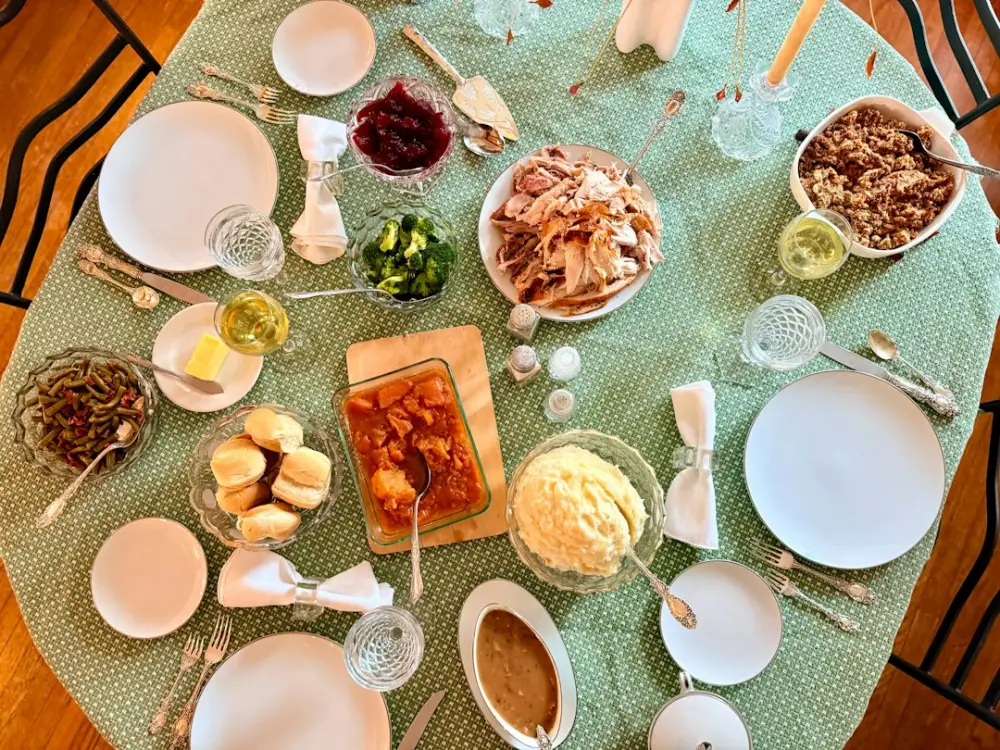
Balancing familiarity and variety in meals is the practice of serving recognizable comfort foods alongside new ingredients or recipes. This strategy helps reduce neophobia—the fear of new foods—particularly in children, while expanding the palate and improving nutritional density. It ensures meals remain enjoyable and safe while preventing flavor boredom through gradual culinary exploration.
Achieving this balance is less about radical kitchen overhauls and more about intentional, incremental adjustments. By anchoring a meal in something known and liked, such as a specific protein or a favorite pasta shape, you create a psychological safety net that makes the introduction of a new vegetable or a different spice profile much more acceptable to hesitant eaters.
In a practical household setting, this often looks like the "80/20 rule." If eighty percent of the plate consists of items the family already enjoys, the remaining twenty percent can be dedicated to something experimental. For example, if your family loves traditional beef tacos, you might keep the shells, cheese, and meat exactly the same but introduce a homemade pickled red onion or a charred corn salad as a new side dish. This approach maintains the comfort of the routine while slowly broadening the household’s culinary horizons.
For Young Children, Familiar Food is Love
To a young child, a plate of familiar food represents more than just nutrition; it represents security. Food neophobia, or the reluctance to eat new or unfamiliar foods, is a common developmental stage. Research suggests that children may need to be exposed to a new food between ten and fifteen times before they develop a genuine preference for it. Forcing a child to eat a large portion of an unfamiliar dish can create negative associations with the kitchen table, which is why balancing variety with safety is so critical.
One effective scenario involves the "deconstructed meal." If you are serving a stir-fry with a new ginger-soy glaze, you might set aside a portion of the plain chicken and steamed broccoli for a child who is currently in a restrictive eating phase. You can then place a small dipping bowl of the sauce on the side. This allows the child to interact with the new flavor on their own terms, reducing the pressure to commit to an entire plate of unknown food. Over time, the sight and smell of the sauce become familiar, eventually leading to a willingness to try it.
According to the National Institutes of Health, repeated neutral exposure is one of the most effective ways to increase food acceptance in children. By ensuring the majority of the meal is recognizable, you provide the caloric and emotional stability a child needs while still moving the needle on their nutritional variety.
Contemporary Food Pairing Techniques
Bridging the gap between the known and the unknown can be simplified through flavor bridging. This technique involves finding a common ingredient that links a familiar dish to a new one. If your household is comfortable with roasted potatoes seasoned with rosemary, you might introduce roasted fennel using that same rosemary and olive oil base. The familiar herb acts as a bridge, making the new texture and slight anise flavor of the fennel feel less foreign.
Another technique is the use of "safe" condiments. Many families find that a familiar dip—whether it is hummus, a mild yogurt sauce, or even basic ketchup—can serve as a vehicle for new textures. A child or a picky adult might be more willing to try roasted cauliflower or grilled zucchini if they can pair it with a sauce they already trust. This method focuses on the sensory experience of the meal, using a high-preference flavor to mask the initial "strangeness" of a new ingredient.
Consider the example of a grain bowl. If the base is a familiar white rice, you can introduce a small amount of quinoa or farro mixed in. Because the rice provides the dominant texture and flavor, the new grain is introduced subtly. As the household becomes accustomed to the heartier texture of the ancient grains, you can slowly increase their ratio until the variety becomes the new familiar.
Main Navigation of Family Meal Preferences
Managing the diverse preferences of a household requires a system that tracks what works without turning the cook into a short-order chef. A practical way to manage this is to create a weekly dinner plan that centers on "customizable bases." This might include baked potato bars, taco nights, or build-your-own pizzas. These formats allow the core of the meal to remain consistent while providing a platform for individual variety.
To navigate these preferences successfully, keep a simple list of "safe staples"—the five to ten meals that everyone in the house will eat without complaint. These are your anchors for busy weeknights. Once those are established, you can rotate in one "adventure night" every week or two. On these nights, the goal isn't necessarily to find a new favorite, but simply to interact with a new ingredient or cooking style. If the adventure is a success, it moves into the safe staples rotation; if not, it stays as a one-time experience.
Using a shared digital note or a physical kitchen notebook helps track these experiments. Note which seasonings were liked and which textures were rejected. This data-driven approach takes the guesswork out of meal planning and ensures that your efforts to introduce variety are actually aligned with the family's evolving tastes.
The Breadcrumb Strategy for Introducing New Foods
The breadcrumb strategy is about making changes so small they are almost imperceptible, leading the family toward a more diverse diet over several months. Instead of jumping from frozen chicken nuggets to grilled salmon with asparagus, you move through logical steps. You might start by making homemade breaded chicken strips, then move to unbreaded chicken with a familiar dipping sauce, and finally to a different protein like pork tenderloin prepared with those same familiar seasonings.
This strategy works exceptionally well with vegetables. If a family only eats raw carrots, the first step isn't a complex vegetable curry. Instead, try lightly steamed carrots with a tiny bit of honey. The next step might be roasted carrots with maple syrup, introducing a new texture (roasting) while keeping the flavor profile sweet and approachable. Eventually, you can move toward savory roasted vegetables like parsnips or squash, which share a similar mouthfeel to the roasted carrots.
By using these incremental steps, you avoid the "rejection shock" that often happens when a completely foreign dish is placed on the table. It turns the process of expanding a palate into a series of small wins rather than a high-stakes confrontation. This method is particularly useful for busy households where the goal is to reduce stress, not create more of it during the evening meal.
Sustainable Meal Planning with Dinner by Design Kitchen
At Dinner by Design Kitchen, the focus is always on making the daily reality of feeding a household more manageable and less of a chore. Balancing familiarity and variety is not just a nutritional goal; it is a sustainability strategy for the home cook. When you rely too heavily on the same few meals, cooking becomes a mindless task that leads to burnout. Conversely, trying to cook something entirely new every night is exhausting and often leads to food waste when recipes don't turn out as expected.
Finding simple ways to make everyday dinners more engaging involves respecting the boundaries of your schedule and your family's preferences. By mastering the art of the subtle swap and the deconstructed plate, you can ensure that dinner remains a point of connection rather than a source of conflict. Sustainable meal planning means building a kitchen culture where the familiar provides the foundation, and variety provides the interest, allowing you to enjoy the process of cooking and eating without the pressure of perfection.