
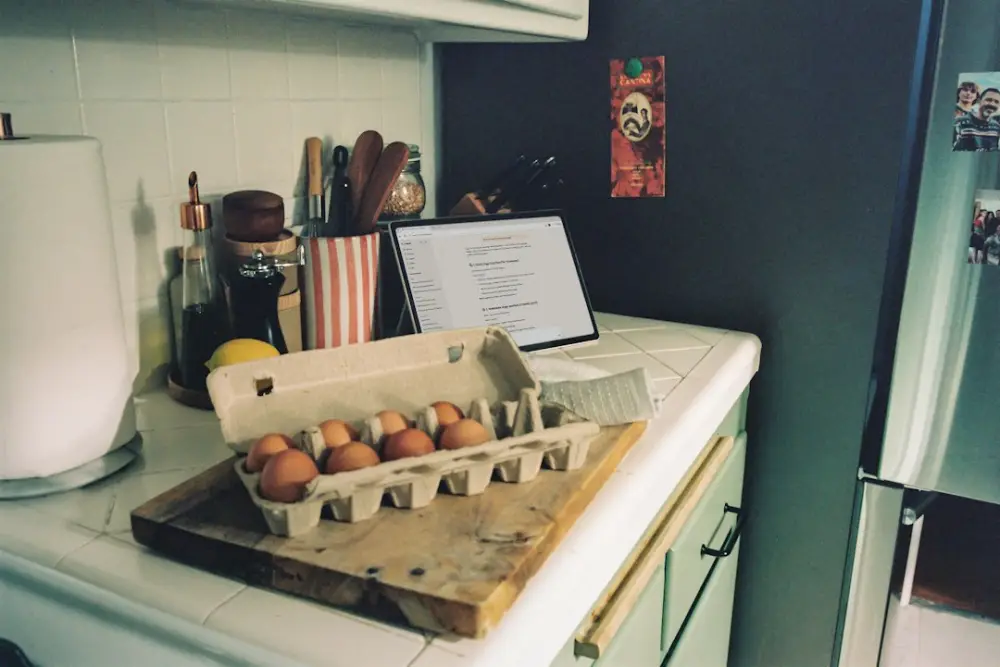
A meal preparation workflow is a structured system of planning, prepping, and storing food to maximize kitchen efficiency and reduce daily cooking stress. These workflows range from personal home routines, like weekend batch cooking, to professional business models, such as pre-portioned meal kits or fully prepared heat-and-eat meals designed for specific lifestyle goals.
Establishing a consistent workflow transforms dinner from a daily chore into a streamlined process. By grouping tasks like vegetable chopping or sauce making into a single session, you reduce cleanup time and eliminate the mental fatigue of evening decision-making. This practical shift ensures that having a grocery list actually results in a hot meal on the table every night without the usual stress.
What Is a Meal Preparation Workflow?
At its most basic level, a meal preparation workflow is the sequence of operations that happens between grocery shopping and the final plating of a meal. For a home cook, this might look like a "Power Hour" on Sunday afternoon where all vegetables for the week are washed, peeled, and chopped. By centralizing these repetitive tasks, you avoid the friction of pulling out the cutting board and knife every single evening.
A common example of a home workflow is the "Component Prep" method. Instead of cooking full recipes, you prepare individual building blocks—such as a large batch of quinoa, roasted sweet potatoes, and grilled chicken. These components can then be assembled into different configurations, like grain bowls or wraps, throughout the week. This differs from traditional batch cooking, where you might freeze five identical pans of lasagna, offering more variety for those who dislike eating the same leftovers multiple days in a row.
Professional Meal Prep Models: Kits vs. Prepared Meals
Understanding how professional services structure their workflows can help you decide which elements to adopt at home. Professional models generally fall into two categories: meal kits and fully prepared meals. Meal kits, like those offered by various national subscription services, provide pre-portioned ingredients and a recipe card. The workflow here focuses on assembly and cooking, removing the burden of shopping and measuring while still requiring the user to execute the final culinary steps.
In contrast, fully prepared or "heat-and-eat" models handle the entire workflow from sourcing to final cooking. These are often utilized by individuals with specific dietary requirements or those who lack the time for any kitchen activity beyond operating a microwave. For the home cook, adopting a "heat-and-eat" workflow might involve doubling a recipe for soup or stew and freezing individual portions. This mimics the professional model by creating a personal inventory of ready-made meals for high-stress nights.
Essential Steps to Build Your First Prep Routine
Building a workflow requires a logical progression to ensure you don’t end up with a kitchen full of half-finished tasks. Follow these steps to establish a routine that sticks:
- Conduct a Pantry Audit: Before shopping, check your cupboards for staples. This prevents overbuying and ensures you use what you already have, such as that half-box of pasta or the jar of marinara in the back of the fridge.
- Select Your Menu: Choose recipes that share common ingredients. If you are buying a large bag of spinach, plan for a sautéed side dish on Monday and a fresh salad on Wednesday. This is a great time to create a weekly dinner plan that to account for your actual evening availability.
- Consolidate Your Grocery Run: Use a categorized list to minimize time in the store. Grouping items by aisle (produce, dairy, dry goods) prevents backtracking and impulse buys.
- Execute the "Big Chop": Once home, spend 30 minutes processing your produce. Dicing onions, mincing garlic, and washing greens immediately makes the actual act of cooking feel significantly faster.
- Organize for Accessibility: Store your prepped items in clear containers at eye level in the refrigerator. Use the mise en place philosophy by grouping ingredients for specific meals together so they are ready to grab.
Digital Tools and Systems for Kitchen Efficiency
While a paper list works for many, digital tools can significantly enhance a meal preparation workflow. Shared digital calendars, such as Google Calendar, allow every member of the household to see what is for dinner and who is responsible for the prep. This transparency reduces the "What's for dinner?" query and encourages participation from everyone in the house.
Mobile applications dedicated to recipe management, like Paprika or AnyList, can automatically generate grocery lists from your saved recipes. These tools often allow you to scale recipes up or down, which is essential if you are planning to cook extra for leftovers. If you prefer a low-tech digital approach, a simple shared note in a phone app can serve as a running inventory of what is currently in your freezer, preventing the common mistake of buying duplicates of items you already own.
Common Mistakes That Disrupt Your Kitchen Flow
One of the most frequent errors in establishing a workflow is over-ambition. Attempting to prep five brand-new, complex recipes in a single afternoon often leads to burnout and a messy kitchen that takes hours to clean. It is more effective to start with one or two familiar meals and gradually add more complexity as your efficiency improves. Focusing on simple ways to make everyday dinners helps ensure your new kitchen routine remains sustainable.
Another common pitfall is ignoring proper storage techniques. According to USDA food safety guidelines, most cooked leftovers should be consumed within three to four days. If your workflow involves prepping for the entire week, you must plan to freeze portions intended for Thursday or Friday to maintain quality and safety. Additionally, using mismatched or opaque containers can lead to "mystery leftovers" that eventually go to waste because you can't see what's inside.
Optimizing Your Home Cooking with Dinner by Design Kitchen
The ultimate goal of any kitchen system is to make the process of feeding yourself and your family more sustainable. At Dinner by Design Kitchen, the focus is on practical strategies that fit into a real, busy life rather than an idealized version of home cooking. By implementing a meal preparation workflow, you reclaim the time usually lost to indecision and repetitive cleanup. This allows you to focus on the textures and flavors of the food rather than the stress of the process.
Whether you choose to follow a strict weekend prep schedule or simply adopt a few professional habits like pre-portioning snacks, the result is a more organized and calm environment. Dinner by Design Kitchen encourages a balanced approach where budget-conscious groceries and simple workflows meet to create a more enjoyable weeknight routine. As you refine your system, you will find that the kitchen becomes less of a source of stress and more of a space for everyday enjoyment.