

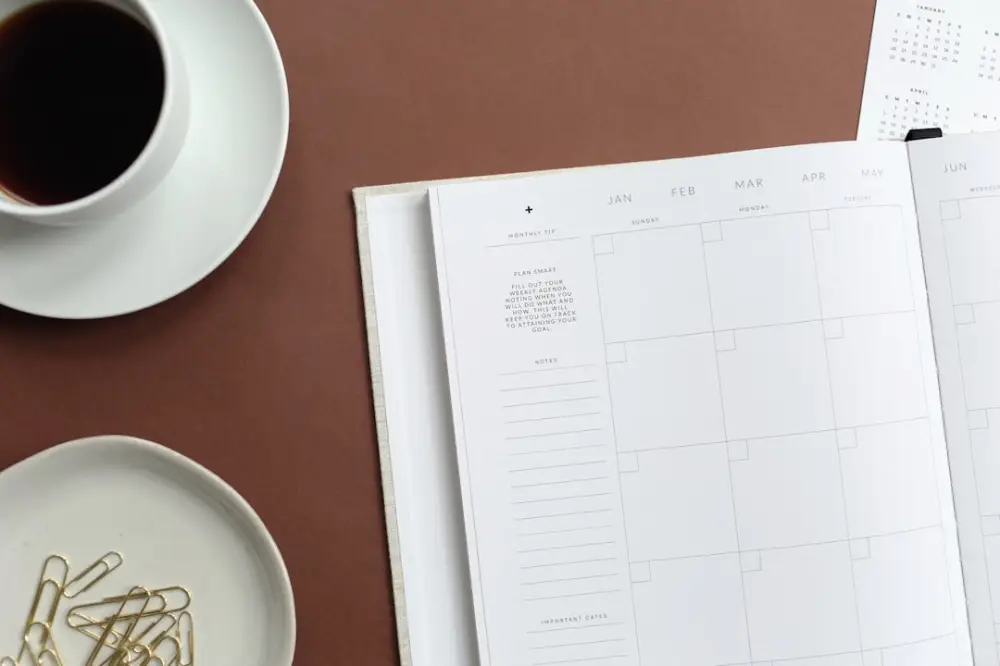
How budget conscious planning actually makes healthy dinners much easier
The Surprising Connection Between Frugality and Nutrition
In the modern wellness landscape, there is a prevailing narrative that health is a luxury. We are often led to believe that a nutritious dinner requires expensive organic imports, boutique superfoods, and a grocery bill that rivals a monthly car payment. However, a closer look at contemporary household trends reveals a fascinating paradox: budget-conscious planning often leads to significantly healthier outcomes than an unrestricted approach to food shopping.
Beyond the financial benefits, discovering new ways to make dinner enjoyable can transform your nightly routine from a chore into a highlight of your day.
At Dinner by Design Kitchen, we have observed that when individuals apply a financial framework to their meal planning, they inadvertently strip away the complexities and distractions of the modern food industry. Budgeting forces a return to fundamentals. It shifts the focus from trendy, high-margin processed products to whole, single-ingredient staples that form the backbone of a balanced diet. By examining the intersection of economics and nutrition, we can see that the constraints of a budget are not a barrier to health, but rather a catalyst for it.
Reducing the Cognitive Load of Choice
One of the primary obstacles to consistent healthy eating is decision fatigue. The average modern grocery store stocks tens of thousands of items, many of which are ultra-processed foods designed to trigger impulsive purchasing. When a shopper enters the store without a budget-conscious plan, they are susceptible to the 'paradox of choice.' The sheer volume of options makes it harder to choose the healthiest path.
Budget-conscious planning acts as a cognitive filter. When you are working within a specific financial limit, your decision-making process is streamlined. You are less likely to be swayed by colorful packaging or 'limited time' offers on sugary snacks. Instead, the focus shifts to high-value, nutrient-dense staples. This reduction in choice actually makes the process of preparing dinner easier because the 'noise' of the supermarket is silenced by the necessity of the plan.
The Seasonal Advantage: Nature’s Price Drop
From an editorial perspective, one of the most interesting patterns in food economics is the alignment of price and peak nutrition. Seasonal produce is almost always cheaper because it is abundant and requires less transport. It is also, by definition, more nutrient-dense than produce that has been picked under-ripe and shipped across hemispheres.
A budget-conscious planner naturally gravitates toward what is in season. In the autumn, this might mean root vegetables and hearty squashes; in the summer, it means leafy greens and stone fruits. This financial necessity creates a forced variety in the diet, ensuring that the body receives a diverse spectrum of vitamins and minerals throughout the year. The budget, in this case, serves as a seasonal guide that keeps the dinner table both affordable and biologically optimized.
Strategic Shopping: Turning Constraints into Creativity
When we analyze how successful meal planners operate, we see that they treat their kitchen like a well-oiled machine. Budgeting encourages 'pantry-first' cooking, a method where the meal starts with what is already on hand—grains, legumes, or spices—and is supplemented by fresh items. This approach reduces food waste, which is currently one of the largest hidden costs in the American household.
To implement a budget-friendly, healthy dinner strategy, consider these foundational patterns:
- The Protein Pivot: Relying on plant-based proteins like lentils, chickpeas, and black beans twice a week. These are among the cheapest items in the store and are packed with fiber and protein.
- Bulk Integration: Buying whole grains (brown rice, quinoa, farro) in bulk. This reduces the per-meal cost and ensures a complex carbohydrate is always available.
- The 'Ugly' Produce Factor: Many stores now offer discounted prices for produce that isn't aesthetically perfect but remains nutritionally identical to its premium-priced counterparts.
- Intentional Leftovers: Planning for 'cook once, eat twice' scenarios. This reduces the energy costs of cooking and prevents the mid-week temptation to order expensive, less-healthy takeout.
The Long-Term Impact on Wellness and Waste
The transition toward budget-conscious healthy eating reflects a broader societal shift toward intentionality. We are seeing a move away from the 'more is better' philosophy of the early 2000s toward a more curated, thoughtful approach to consumption. By planning dinners with a budget in mind, you are essentially auditing your health on a weekly basis.
Moreover, this method fosters a deeper connection with the food itself. When every ingredient is accounted for in a budget, there is a greater incentive to prepare it properly and enjoy it fully. The result is a dinner experience that is not only physically nourishing but also mentally satisfying. The stress of overspending is removed, replaced by the quiet confidence of a well-executed plan.
Building a Sustainable Habit
Ultimately, healthy dinners become easier when they become predictable. Budgeting provides the structure that allows for this predictability. It turns the chaotic task of 'what's for dinner?' into a strategic puzzle that can be solved with a few key ingredients and a bit of foresight. At Dinner by Design Kitchen, we believe that the most successful nutritional journeys are those that are sustainable—both for your body and your bank account.
By reframing the budget as a tool for health rather than a restriction, we open the door to a more organized, nutritious, and enjoyable way of living. The next time you sit down to plan your weekly meals, remember that your financial constraints might just be the very thing that makes your healthy lifestyle possible.


Simple Ways to Make Everyday Dinners More Enjoyable
Dinner doesn’t have to be complicated to be enjoyable. Even simple meals can feel more satisfying with a little extra planning, thoughtful presentation, and a relaxed atmosphere. Whether you’re cooking for yourself, family, or friends, small changes can transform everyday dinners into something you look forward to.
Here are simple and practical ways to make everyday dinners more enjoyable without adding extra stress.
Why Enjoyable Dinners Matter
Making dinner more enjoyable can:
- Improve your evening routine
- Encourage better eating habits
- Reduce mealtime stress
- Create a relaxing end to the day
- Make simple meals feel more special
It’s not about perfection — it’s about creating a pleasant experience.
1. Keep Meals Simple and Balanced
Overly complicated meals can make dinner feel like a chore. Simple combinations often work best.
Try:
- Protein with roasted vegetables
- Pasta with a fresh side salad
- Rice bowls with mixed toppings
- Soup with warm bread
Balanced meals are easier and more enjoyable.
2. Add Variety Throughout the Week
Repeating the same meals can become boring. Adding small variations keeps things interesting.
Ideas include:
- Switching sauces or seasonings
- Rotating proteins
- Trying different grains
- Using seasonal vegetables
Variety helps keep dinner exciting.

3. Create a Relaxed Dining Atmosphere
The environment plays a big role in enjoyment.
Simple improvements:
- Set the table properly
- Use warm lighting
- Play soft background music
- Remove distractions
A calm setting makes dinner feel more enjoyable.
4. Use Fresh Garnishes
Adding fresh finishing touches can elevate simple dishes.
Examples:
- Chopped herbs
- Lemon zest
- Fresh greens
- Light drizzle of sauce
Small details make meals feel more complete.
5. Try One-Pan Dinners
One-pan meals reduce cleanup and stress.
Popular options:
- Roasted chicken and vegetables
- Baked pasta dishes
- Sheet-pan fish meals
- Mixed vegetable trays
Less cleanup means a more relaxed evening.
6. Prepare Ingredients Ahead of Time
Prepping earlier makes dinner smoother.
You can:
- Chop vegetables in advance
- Marinate proteins
- Prepare sauces
- Cook grains beforehand
This saves time and reduces pressure.
7. Include a Comfort Meal Each Week
Comfort meals add something to look forward to.
Examples:
- Pasta dishes
- Slow-cooked meals
- Warm bowls
- Roasted favourites
These meals create enjoyable routines.
8. Make Dinner Interactive
Interactive meals can make dinner more fun.
Ideas include:
- Build-your-own bowls
- Wraps or tacos
- Shared platters
- Family-style serving
This approach adds variety and engagement.
9. Keep Portions Flexible
Flexible portions help avoid waste and stress.
Tips:
- Serve smaller portions first
- Keep extras for leftovers
- Allow mix-and-match sides
- Use shared serving dishes
This makes dinner more relaxed.
10. Finish with a Simple Treat
A small ending can make dinner feel complete.
Try:
- Fresh fruit
- Yogurt with toppings
- Light dessert
- Herbal tea
A simple finish enhances the overall experience.
Quick Tips for Enjoyable Everyday Dinners
To make dinners more enjoyable:
- Keep meals simple
- Add small finishing touches
- Reduce kitchen stress
- Plan ahead when possible
- Create a calm atmosphere
These small habits make a big difference.

Common Dinner Mistakes to Avoid
Watch out for these common issues:
- Overcomplicating meals
- Skipping planning entirely
- Cooking too late in the evening
- Repeating the same dishes
- Rushing through dinner
Simple improvements help avoid these problems.
Final Thoughts
Making everyday dinners more enjoyable doesn’t require complicated recipes or extra time. With simple planning, small presentation touches, and a relaxed atmosphere, even basic meals can feel more satisfying.
Focus on simplicity, variety, and comfort. Over time, these small changes can turn everyday dinners into something you genuinely enjoy.

How to Create a Weekly Dinner Plan That Actually Works
Planning dinners for the week can save time, reduce stress, and make evenings more enjoyable. However, many meal plans fail because they’re too complicated, unrealistic, or difficult to maintain. The key to success is creating a weekly dinner plan that fits your schedule, preferences, and routine.
With the right approach, you can build a flexible and practical dinner plan that actually works long-term.
Why Weekly Dinner Planning Helps
A structured weekly dinner plan can:
- Reduce last-minute decisions
- Save time during busy evenings
- Improve grocery shopping efficiency
- Reduce food waste
- Make meals more balanced and consistent
Planning ahead removes daily pressure and keeps things organised.

1. Start with Your Weekly Schedule
Your dinner plan should match your lifestyle. Look at your week and identify:
- Busy workdays
- Evenings with activities
- Relaxed days with more time
- Nights suitable for leftovers
Plan quicker meals for busy days and more involved meals when you have time.
2. Choose 4–5 Main Meals
You don’t need to plan seven completely different dinners.
Instead:
- Plan 4–5 main meals
- Include one leftover night
- Leave one flexible or simple meal
This keeps planning realistic and manageable.
3. Mix Quick and Comfort Meals
Balance your week with a variety of meal types:
- Quick 30-minute meals
- One-pan dishes
- Slow-cooked meals
- Simple pasta or rice dishes
- Light meals or salads
This prevents boredom and keeps planning easy.
4. Use Ingredients Across Multiple Meals
Using similar ingredients saves time and reduces waste.
For example:
- Roast vegetables for multiple meals
- Cook extra chicken for salads
- Use herbs across different dishes
- Prepare grains for the week
This makes cooking more efficient.
5. Assign Theme Nights
Theme nights simplify decisions and create structure.
Examples:
- Monday: Meat-free
- Tuesday: Pasta
- Wednesday: Stir-fry
- Thursday: Slow cooker
- Friday: Comfort food
Themes help you plan faster.
6. Keep One Emergency Meal
Always include a backup dinner.
Good options:
- Pasta with sauce
- Soup and bread
- Omelette and salad
- Rice with vegetables
This helps when plans change unexpectedly.
7. Prep in Advance
Small prep tasks make weeknight cooking easier.
Try:
- Chopping vegetables ahead
- Marinating proteins
- Preparing sauces
- Cooking grains in batches
Prep once, save time all week.
8. Plan for Leftovers
Leftovers can simplify your week.
Ways to use them:
- Turn roast meat into wraps
- Use vegetables in stir-fries
- Transform sauces into pasta dishes
- Combine ingredients into bowls
Leftovers reduce cooking time.

9. Create a Simple Weekly Template
A repeatable structure helps long-term consistency.
Example template:
- Monday: Quick meal
- Tuesday: Pasta or grains
- Wednesday: One-pan dish
- Thursday: Slow-cooked meal
- Friday: Flexible or takeaway-style
Templates remove guesswork.
10. Stay Flexible
The best dinner plans allow room for change.
Be flexible by:
- Swapping meals between days
- Using leftovers creatively
- Adjusting portions
- Simplifying when needed
Flexibility keeps your plan realistic.
Example Weekly Dinner Plan
Here’s a simple example:
Monday: One-pan chicken and vegetables
Tuesday: Pasta with tomato sauce
Wednesday: Stir-fry with rice
Thursday: Slow-cooked stew
Friday: Leftovers or simple meal
Weekend: Flexible or relaxed cooking
This structure keeps things easy and balanced.
Common Weekly Planning Mistakes
Avoid these common issues:
- Planning overly complex meals
- Not considering busy evenings
- Trying too many new recipes
- Forgetting leftovers
- Overloading the schedule
Simple plans work best.
Tips for Long-Term Success
To keep your dinner plan working:
- Save favourite meals
- Rotate weekly menus
- Keep pantry staples stocked
- Shop with a list
- Review and adjust weekly
Consistency makes planning easier over time.
Final Thoughts
Creating a weekly dinner plan that actually works is all about simplicity, flexibility, and consistency. By planning realistic meals, using leftovers, and matching your schedule, you can make weeknight dinners easier and more enjoyable.
Start small, build a routine, and adjust as needed — a practical dinner plan can transform your evenings.

10 Easy Dinner Planning Ideas for Busy Evenings
Busy schedules can make it difficult to prepare a satisfying evening meal. Between work, family commitments, and daily responsibilities, dinner often becomes rushed or repetitive. With a little planning, however, you can create simple, delicious meals without the stress.
These easy dinner planning ideas are designed to save time, reduce decision fatigue, and help you enjoy more organised and relaxed evenings.
Why Dinner Planning Matters
Planning your dinners ahead of time helps you:
- Save time during busy evenings
- Reduce last-minute food decisions
- Avoid unnecessary takeaways
- Use ingredients more efficiently
- Create balanced meals consistently
Even small changes to your routine can make dinner preparation much easier.
1. Plan Meals for the Week
Weekly planning removes the daily “what’s for dinner?” question.
Start by:
- Choosing 4–5 main meals
- Leaving room for leftovers
- Listing required ingredients
- Scheduling quick meals for busy days
This creates structure while keeping flexibility.

2. Use One-Pan Meals
One-pan dinners are ideal for busy evenings because they minimise prep and cleanup.
Popular options include:
- Roasted chicken and vegetables
- Sheet-pan salmon with greens
- Baked pasta dishes
- Sausage and vegetable trays
Everything cooks together, saving time and effort.
3. Prep Ingredients in Advance
Preparing ingredients ahead of time makes cooking much faster.
Try:
- Chopping vegetables earlier
- Marinating proteins in advance
- Pre-measuring spices
- Cooking grains beforehand
This reduces stress when it’s time to cook.
4. Rotate a Simple Meal Plan
Create a small list of go-to meals you can repeat weekly.
Examples:
- Pasta night
- Stir-fry night
- Soup or stew night
- Quick grill night
- Leftover night
Rotating meals simplifies planning and shopping.
5. Cook Once, Eat Twice
Batch cooking saves time during busy weeks.
Ideas include:
- Roast extra chicken for salads
- Make large pasta portions
- Prepare double soup batches
- Cook extra rice or grains
Leftovers become quick dinners later in the week.
6. Keep Quick Pantry Meals Ready
Stocking pantry staples helps you create fast meals.
Useful items:
- Pasta and sauces
- Tinned beans
- Rice and grains
- Frozen vegetables
- Ready-made sauces
These ingredients allow you to build meals quickly.

7. Try 30-Minute Recipes
Quick recipes are perfect for hectic evenings.
Focus on:
- Simple ingredients
- Minimal prep time
- Fast cooking methods
- One-pot dishes
Short cooking times make dinner more manageable.
8. Use Theme Nights
Theme nights make planning easier and more fun.
Examples:
- Meat-free Monday
- Taco Tuesday
- Pasta Wednesday
- Stir-fry Thursday
- Comfort food Friday
Themes reduce decision-making and create variety.
9. Prep Sauces in Advance
Having sauces ready can transform simple ingredients.
Prepare ahead:
- Tomato-based sauces
- Herb dressings
- Marinades
- Mild curry bases
This helps you create flavourful meals quickly.
10. Keep Meals Simple
Not every dinner needs to be complex.
Simple combinations work well:
- Protein + vegetables
- Grain + roasted vegetables
- Salad + warm dish
- Soup + bread
Simple meals can still be satisfying and balanced.
Tips for Stress-Free Dinner Planning
To make dinner planning easier:
- Keep a list of favourite meals
- Shop with a weekly plan
- Use leftovers creatively
- Choose seasonal ingredients
- Stay flexible when plans change
Consistency makes planning easier over time.
Common Dinner Planning Mistakes
Avoid these common issues:
- Planning overly complex meals
- Not checking ingredients first
- Forgetting busy-day meals
- Not allowing for leftovers
- Trying too many new recipes at once
Keeping things simple improves success.
Final Thoughts
Dinner planning doesn’t have to be complicated. With a few easy strategies, you can create simple, organised, and enjoyable evening meals even on the busiest days.
Start with a weekly plan, keep ingredients ready, and focus on quick, balanced meals. Over time, these habits will make dinner preparation easier, more efficient, and far less stressful.